


Scheduled maintenance or repair when broken: weighing the options for factories
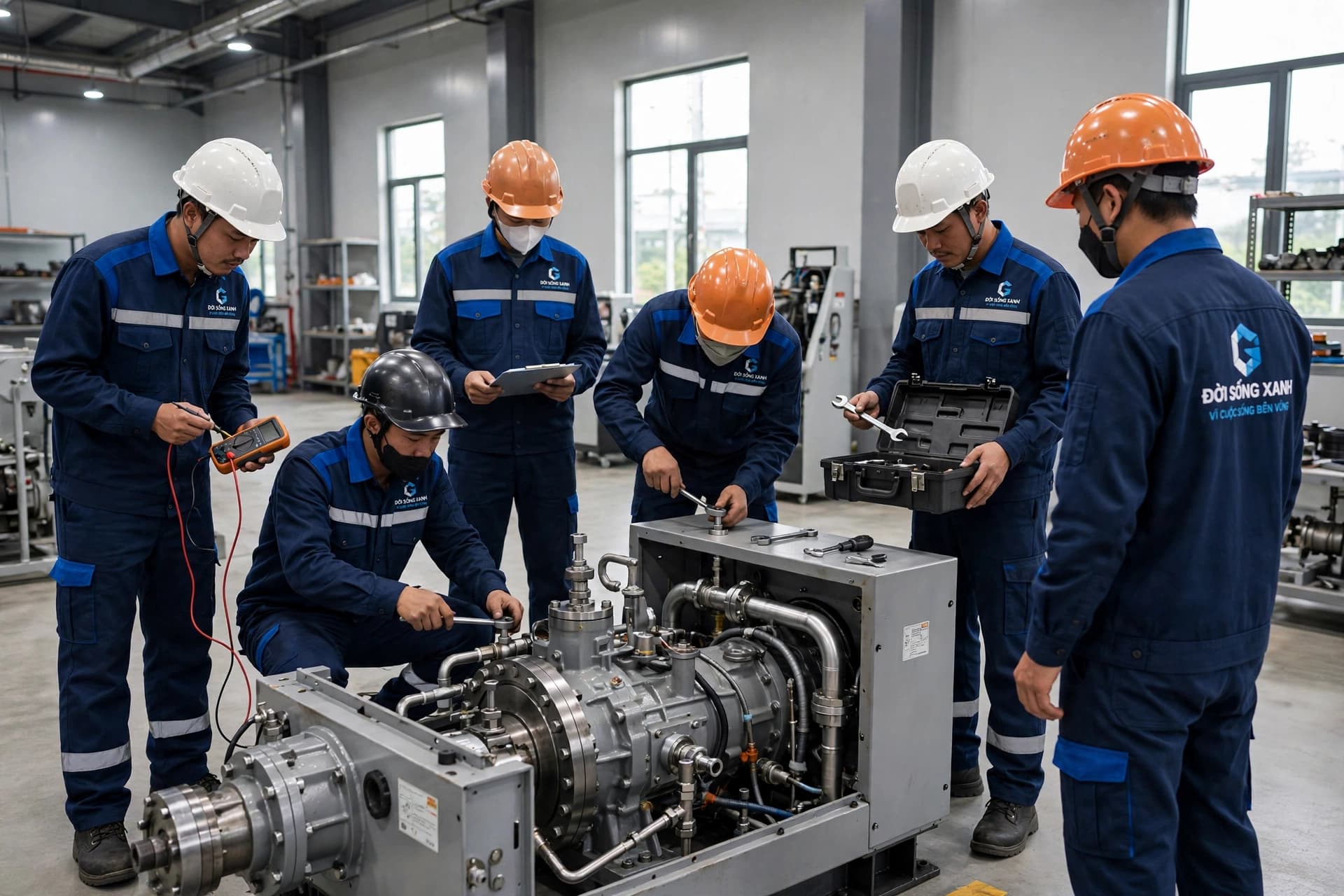
Comparing two approaches, and when to combine both in one maintenance contract.
For factories, there are two familiar maintenance approaches: scheduled maintenance, meaning inspection and upkeep on a schedule even before anything breaks, and repair when broken, meaning intervening only once a failure has happened. Both make sense, but their costs and risks are very different.
The right question is not which approach is cheaper for a single repair, but which helps the factory run steadily all year, with the lowest total cost and the fewest sudden stoppages.
Comparing the two approaches
Scheduled maintenance: small, regular costs
Scheduled maintenance catches early signs of deterioration: a loose joint, a slight pipe leak, a surface starting to peel. Repair at this stage is usually quick, cheap and can be scheduled at off-peak hours, without interrupting production.
Repair when broken: cheap now, expensive later
Repairing only when things break saves costs in the first months, but an unexpected failure can stop a whole production line, damage related equipment and incur rush costs. For items that directly affect production, the cost of one sudden stoppage is often many times the cost of a year's maintenance.
Maintenance is not a cost to cut, but a cost that prevents a larger cost.
When to combine both
In practice, most factories need both approaches, differing only in proportion. Important items that are hard to replace should follow a strict scheduled plan. Items with little impact, that are easy to replace and whose failure does not stop production, can be left to repair when broken, provided a backup plan already exists.
- Items affecting safety or stopping a production line: scheduled maintenance, never wait for failure.
- Items wearing with hours of use: inspect on running-hour cycles or by season.
- Decorative or rarely used items: repair when broken, but still inspect regularly so they do not deteriorate unnoticed.
Signs it is time to switch to scheduled maintenance
- The same item failing repeatedly within a short period.
- Failures occurring at peak hours and delaying deliveries.
- Rush repair costs starting to exceed the cost of regular upkeep.
- Nobody remembers when that item was last inspected.
Where to start
There is no need to change everything at once. Start by listing the items that have caused production stoppages, schedule regular inspections for them first, then gradually extend to the remaining items. After a few cycles, the factory will have enough data to know which items truly need frequent upkeep and which can be spaced out.
Related articles
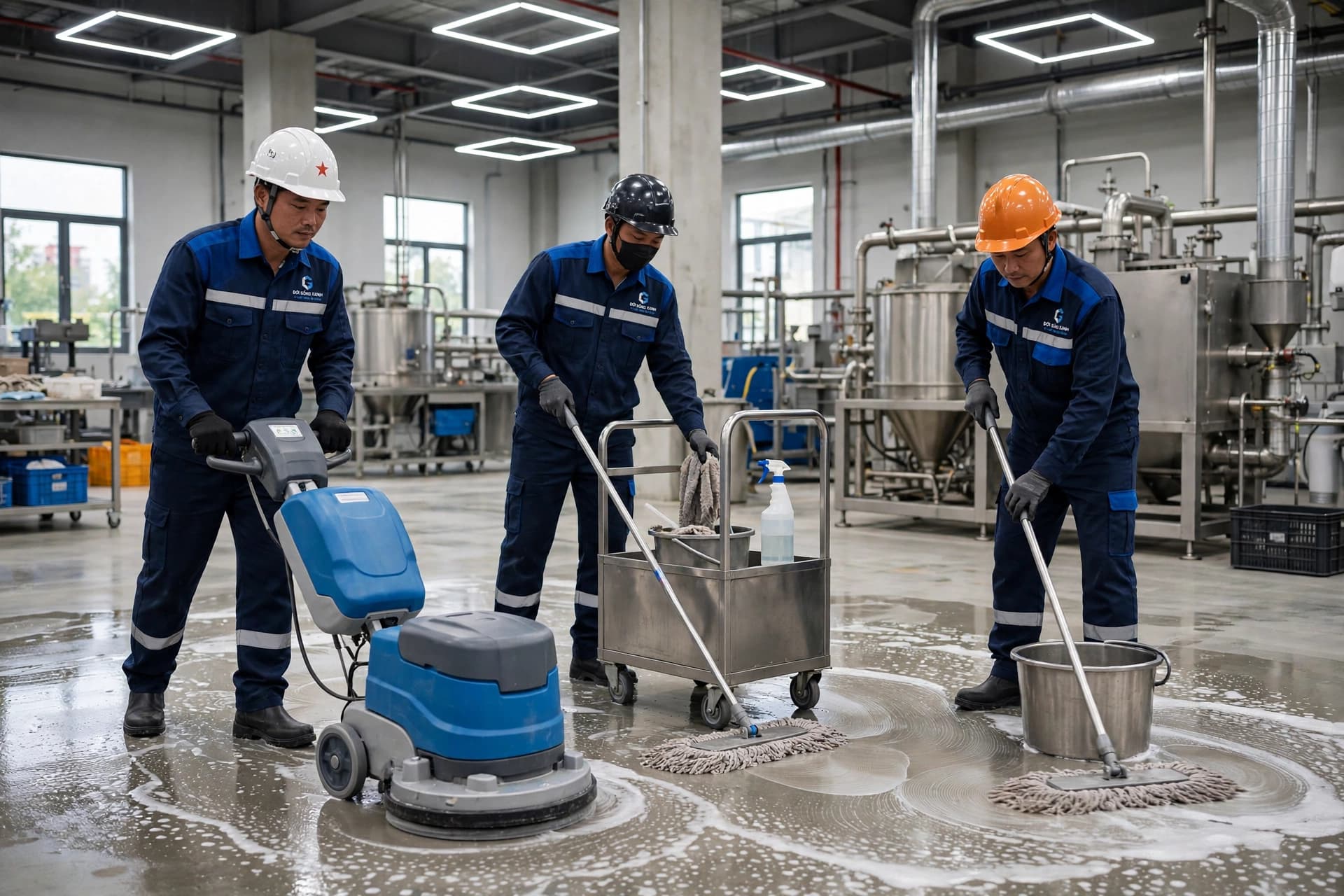
Industrial Cleaning in Dung Quat: A Standard Process for Factories and Industrial Parks
Industrial cleaning in Dung Quat needs its own process: industrial dust, salty sea air, large areas, and round-the-clock operations. This article covers the scope of work, a five-step process, and what factories should prepare before hiring a service.
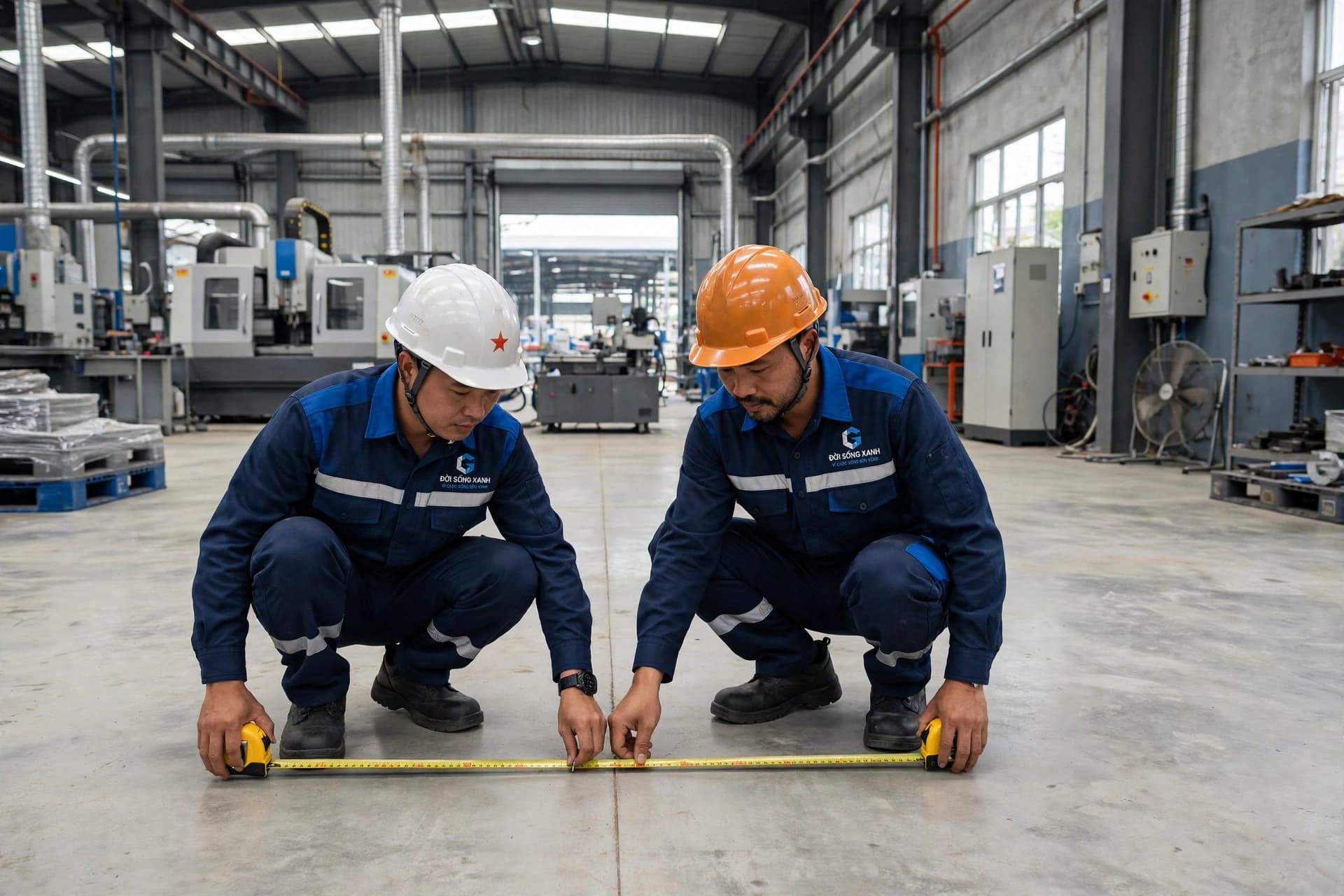
Site survey before a quote: why it is needed and what it includes
A thorough survey helps quotes match reality and avoids extras during delivery. Here is what a factory should prepare.

Internal roads in industrial parks: scheduling sweeping and washing around vehicle traffic
An effective road-cleaning schedule starts with understanding truck peak hours and dust-prone areas.
Looking for a reliable operations partner?
Let Đời Sống Xanh survey your site and propose the best-fit plan for your business.